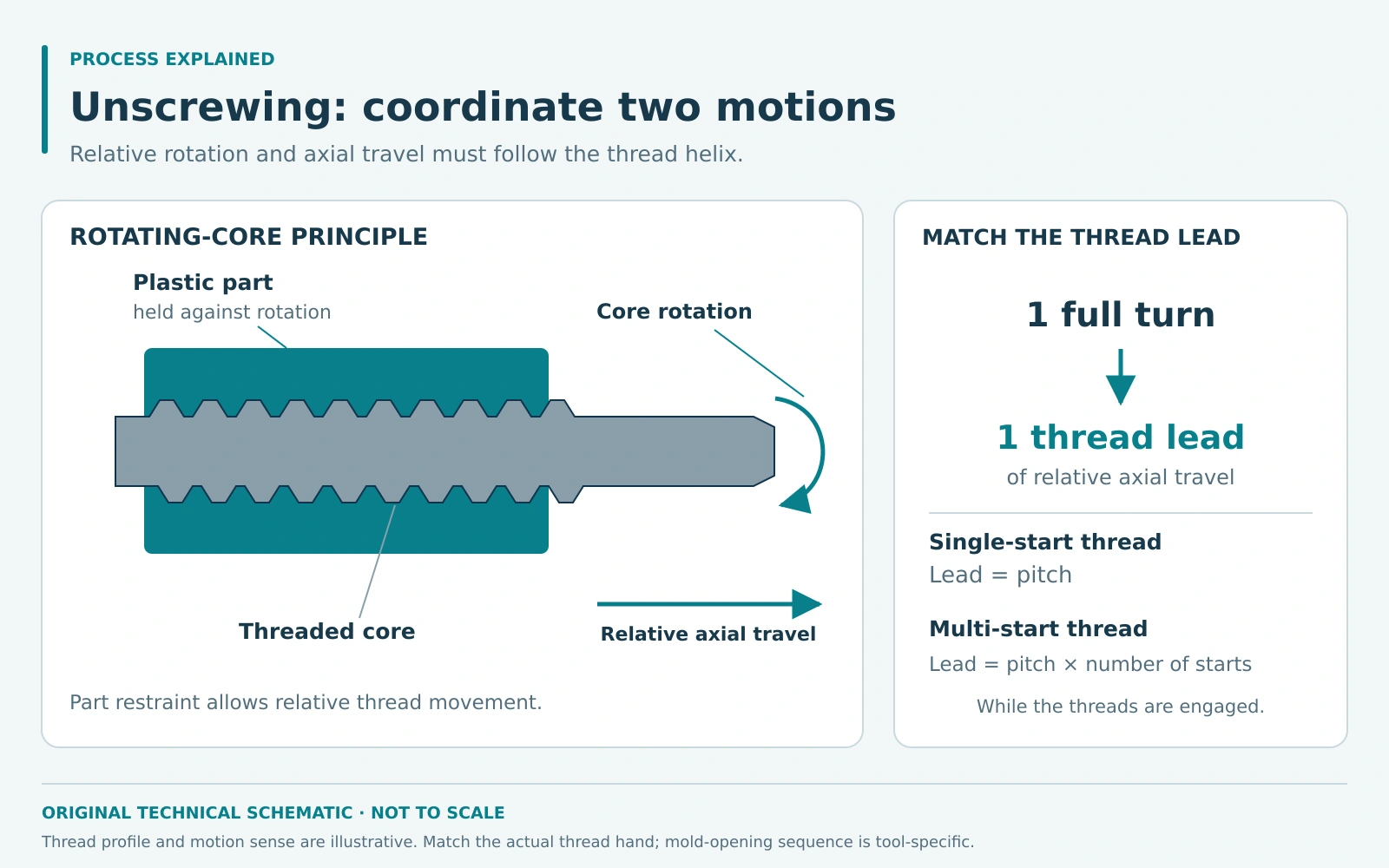
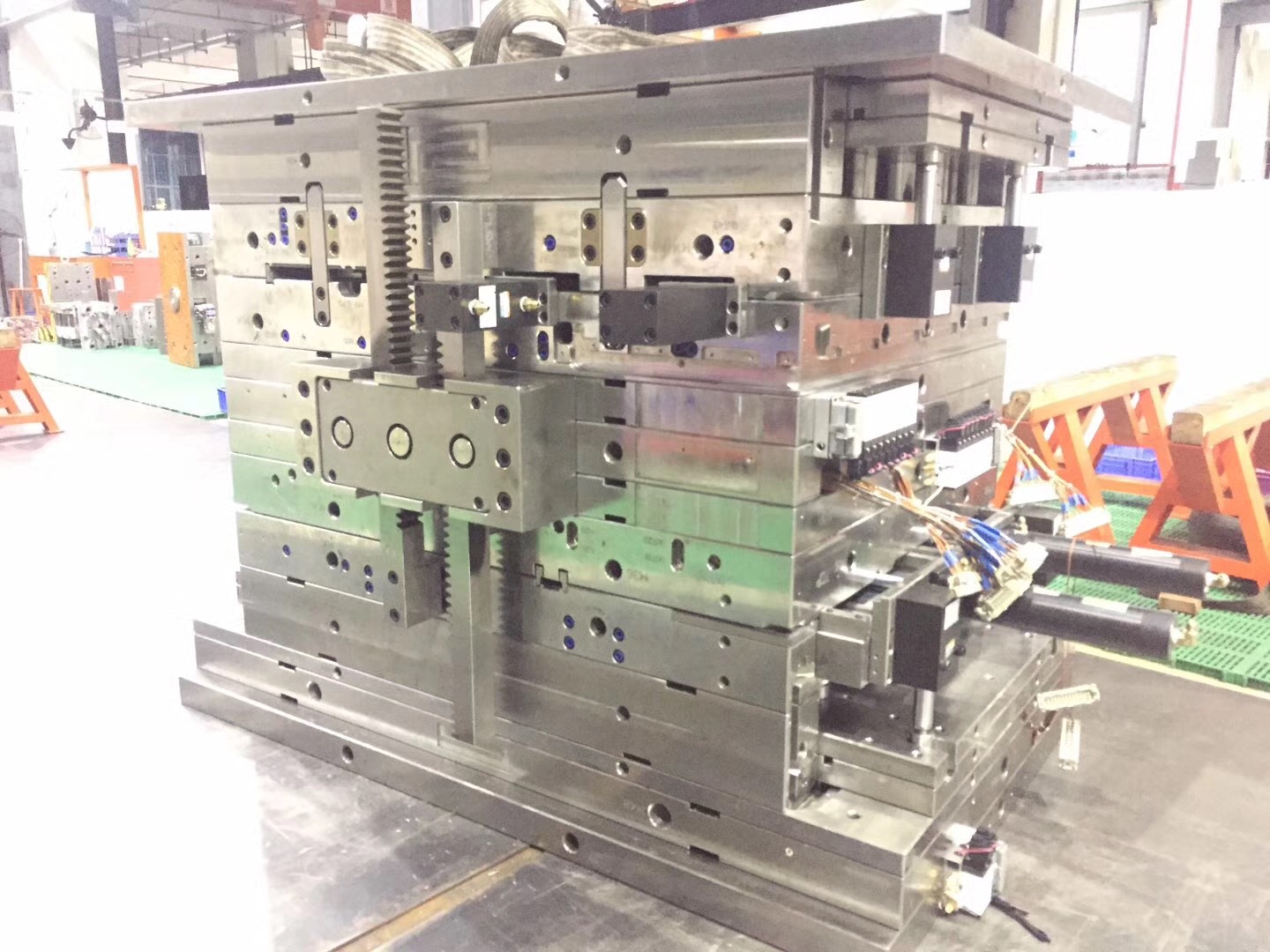
Unscrewing molds release molded threads through controlled rotation and coordinated axial movement. Learn why thread lead and part restraint matter, how the release sequence works, and when split tooling, collapsible cores, or stripping may provide a suitable alternative.
Stack molds arrange cavities on multiple molding faces to increase parts per cycle. Understand the molding sequence, why higher output does not automatically mean a shorter cycle, and how machine fit, melt delivery, cooling, and part handling determine the value…
Micro injection molding brings precise dosing, detailed tooling, and careful handling together to produce small plastic components. Learn how shot size, thermal control, material selection, and measurement affect repeatability, and why the economics depend on more than the size of…
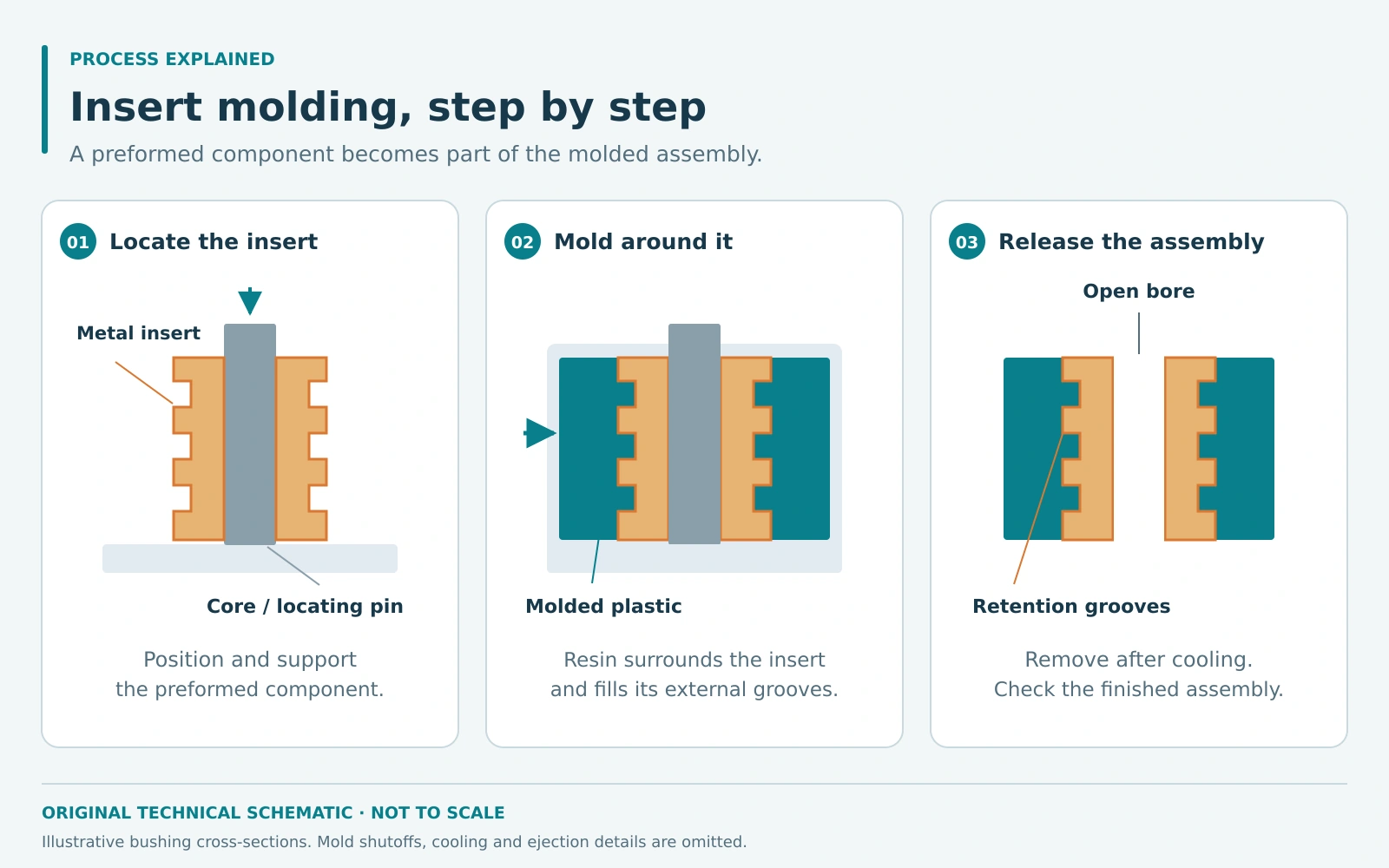
Insert molding combines preformed components with a molded plastic body. This guide explains the process, how mechanical retention helps plastic and metal work together, and why insert location, material compatibility, loading, and joint performance matter to the finished assembly.
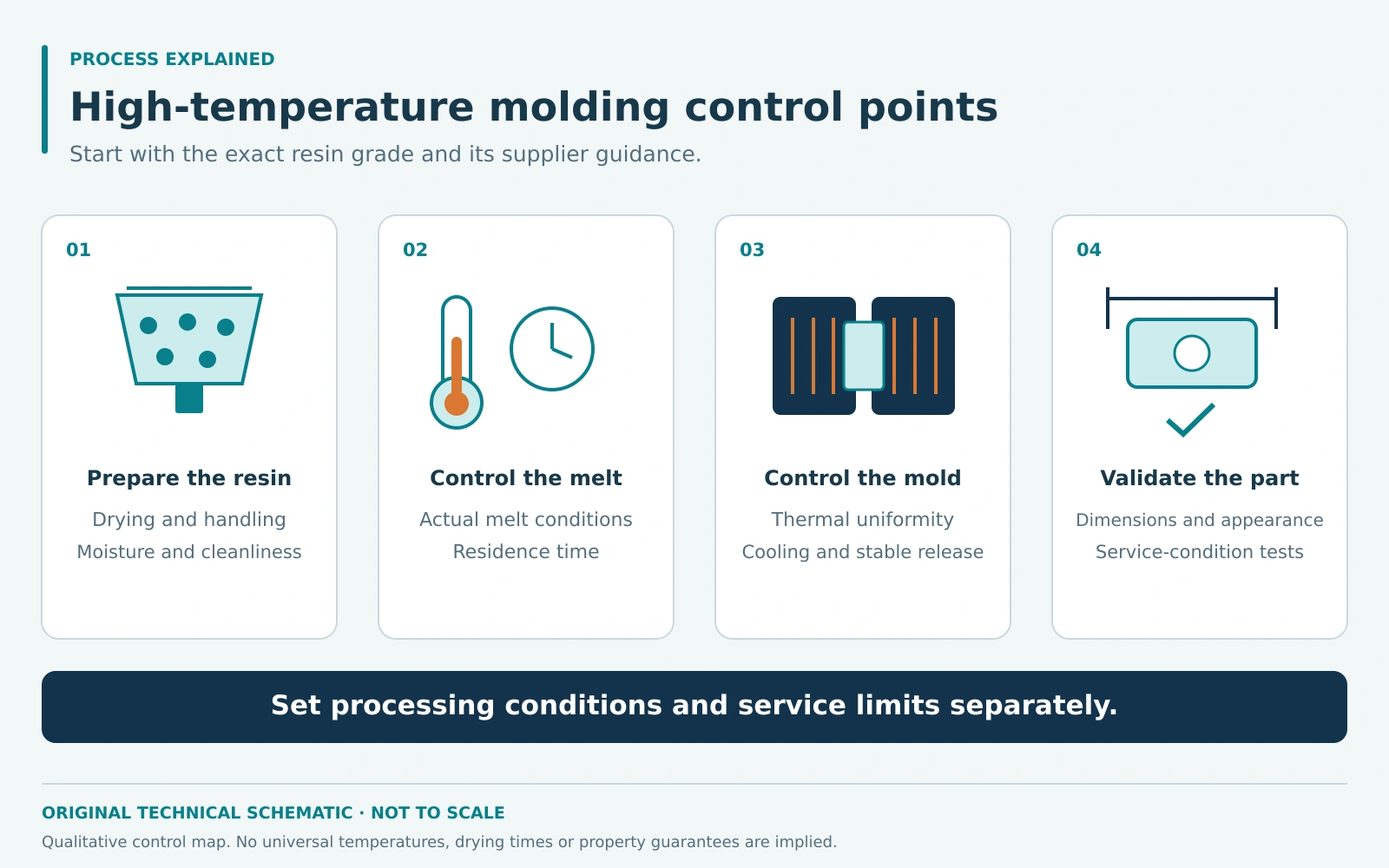
High-temperature injection molding requires matching a specific resin grade to both the manufacturing process and the intended service environment. Understand the differences among common high-performance thermoplastics and the roles of drying, thermal control, part design, and application-specific validation.
Two-shot injection molding combines two materials or colors in a coordinated molding sequence. Explore how material compatibility, substrate support, shut-off design, and differential shrinkage affect the result, and when integrated functions can justify the added tooling and process complexity.
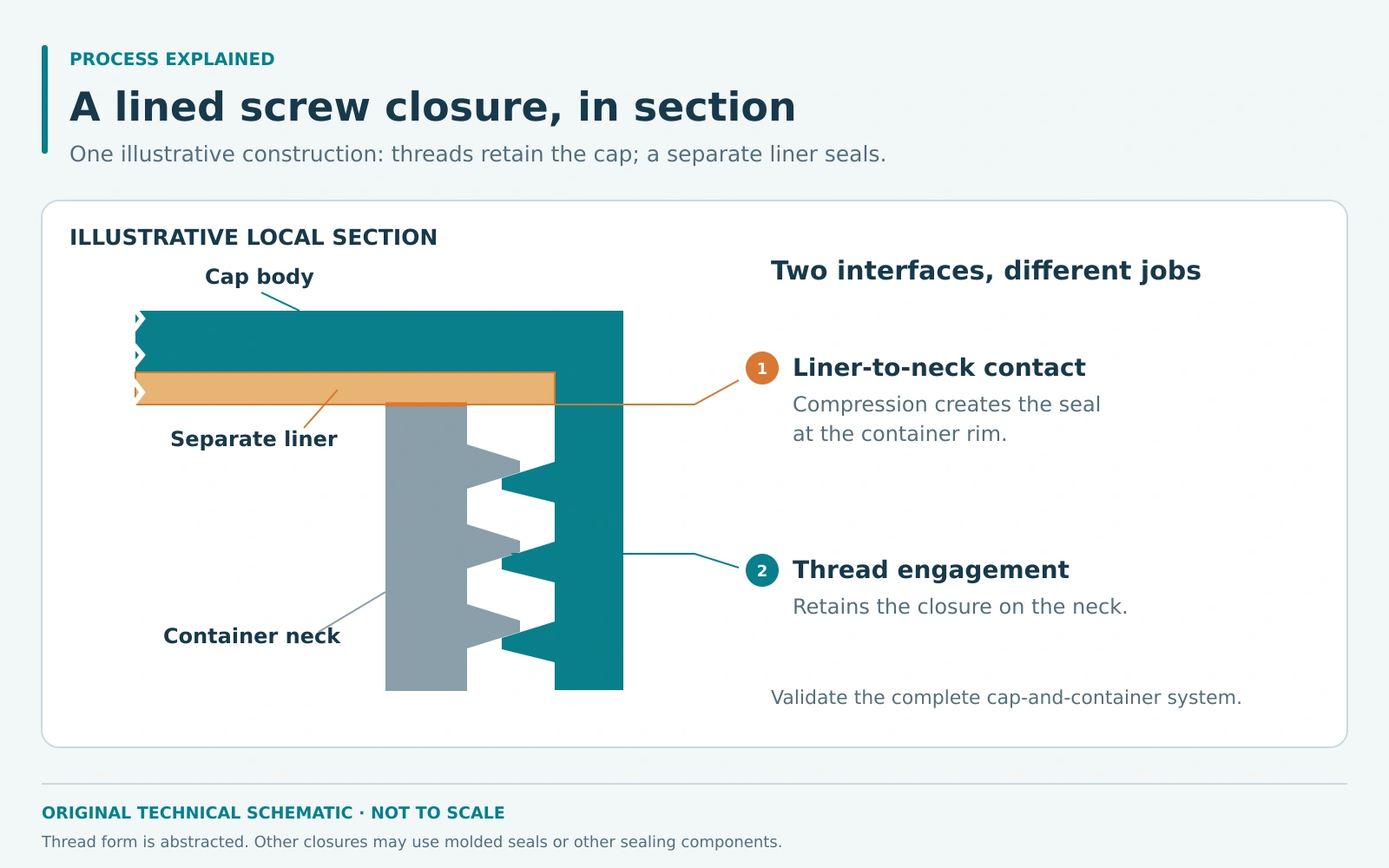
Cap molds must reproduce sealing and opening features consistently across every cavity. Learn how the injection cycle, thread-release method, cooling, and maintenance affect closure quality, and why tamper-evident features and downstream operations should be considered as part of the complete…
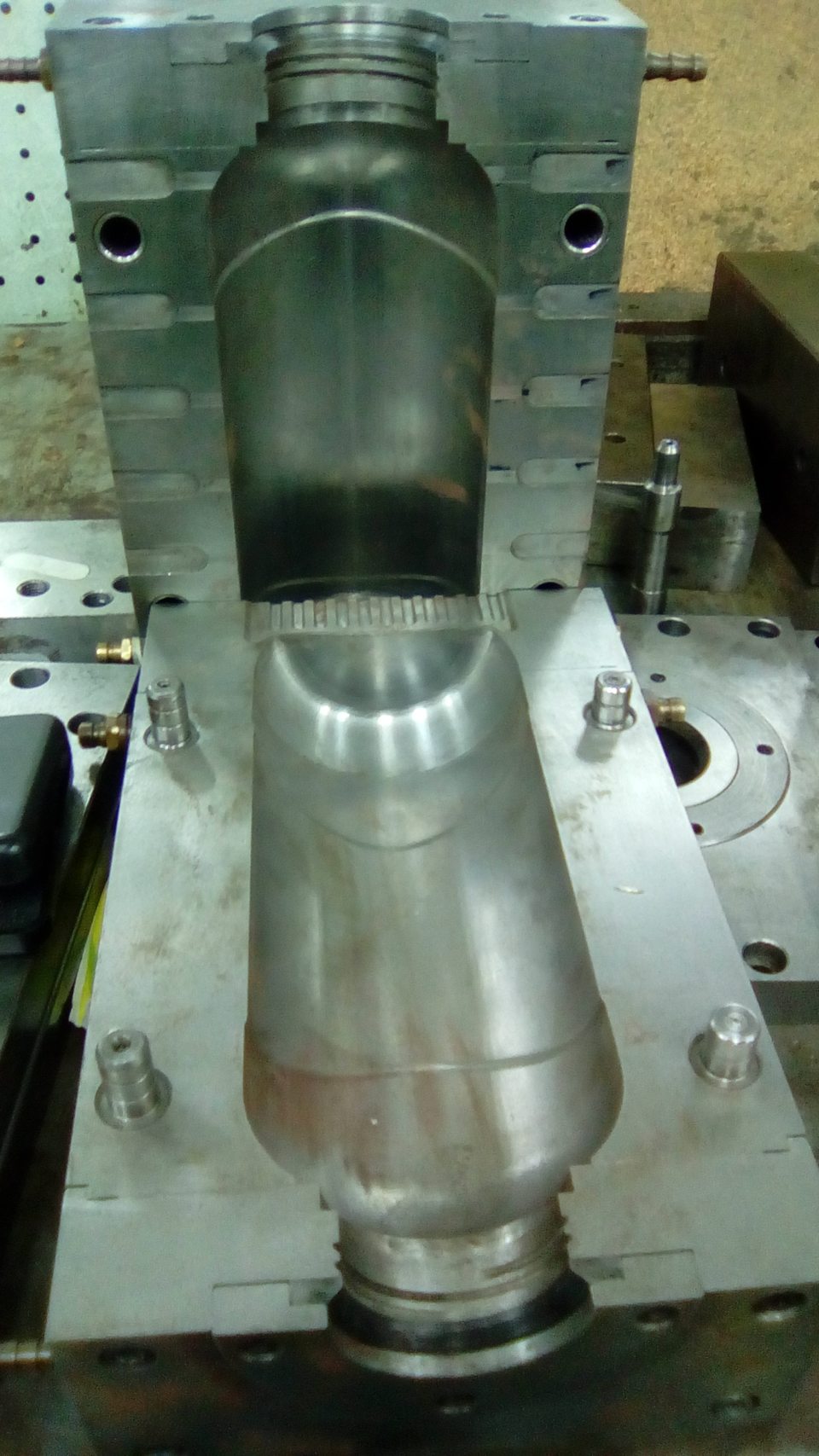
Blow molding produces hollow plastic parts, but extrusion, injection, and stretch blow molding use different manufacturing routes. This guide compares their process sequences and explains how neck geometry, wall distribution, materials, and functional requirements influence the choice.
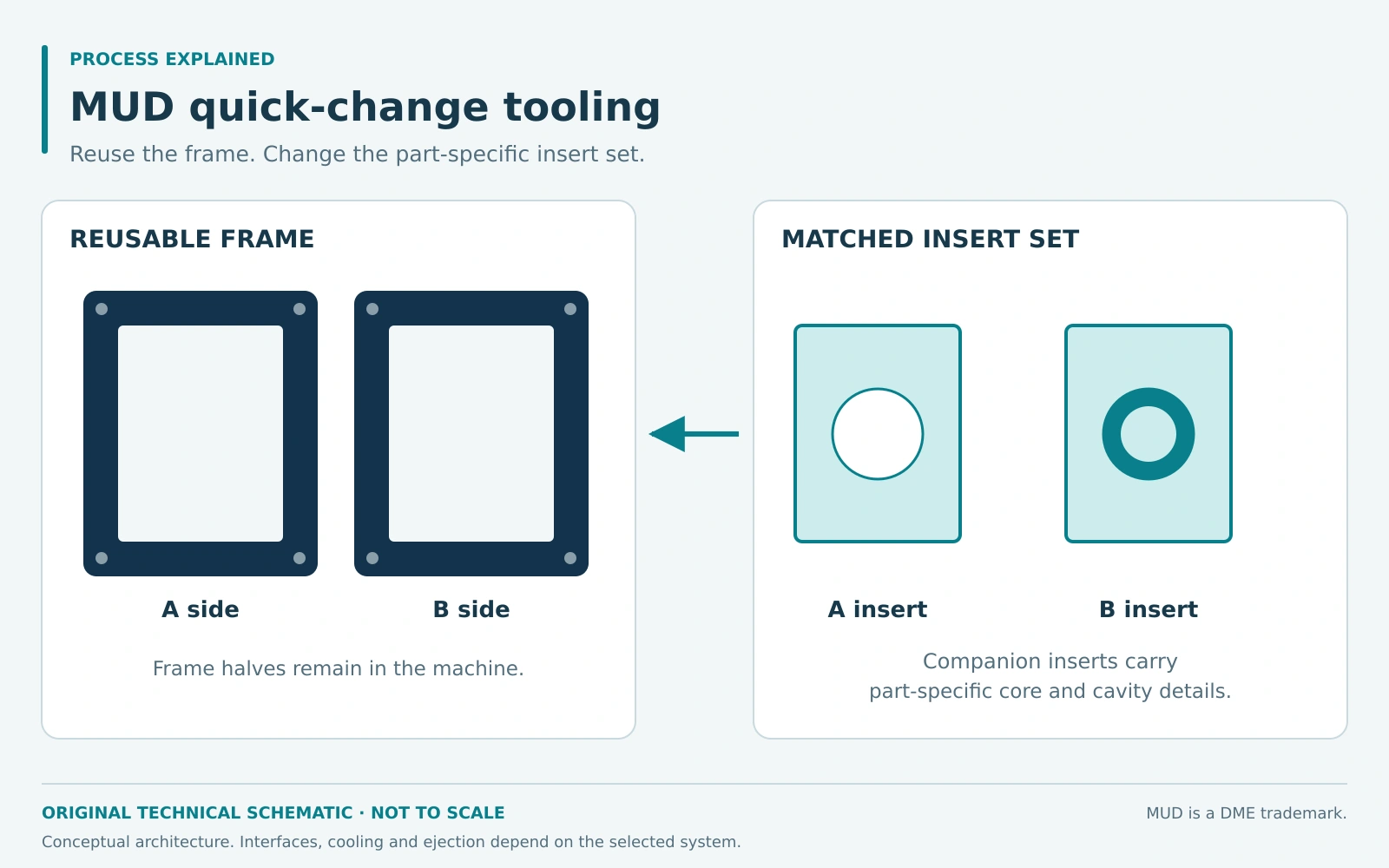
MUD stands for Master Unit Die, a modular tooling system that pairs a reusable frame with interchangeable metal mold inserts. Discover how the system works, why it can suit both development and production, and how compatibility, insert construction, and part…
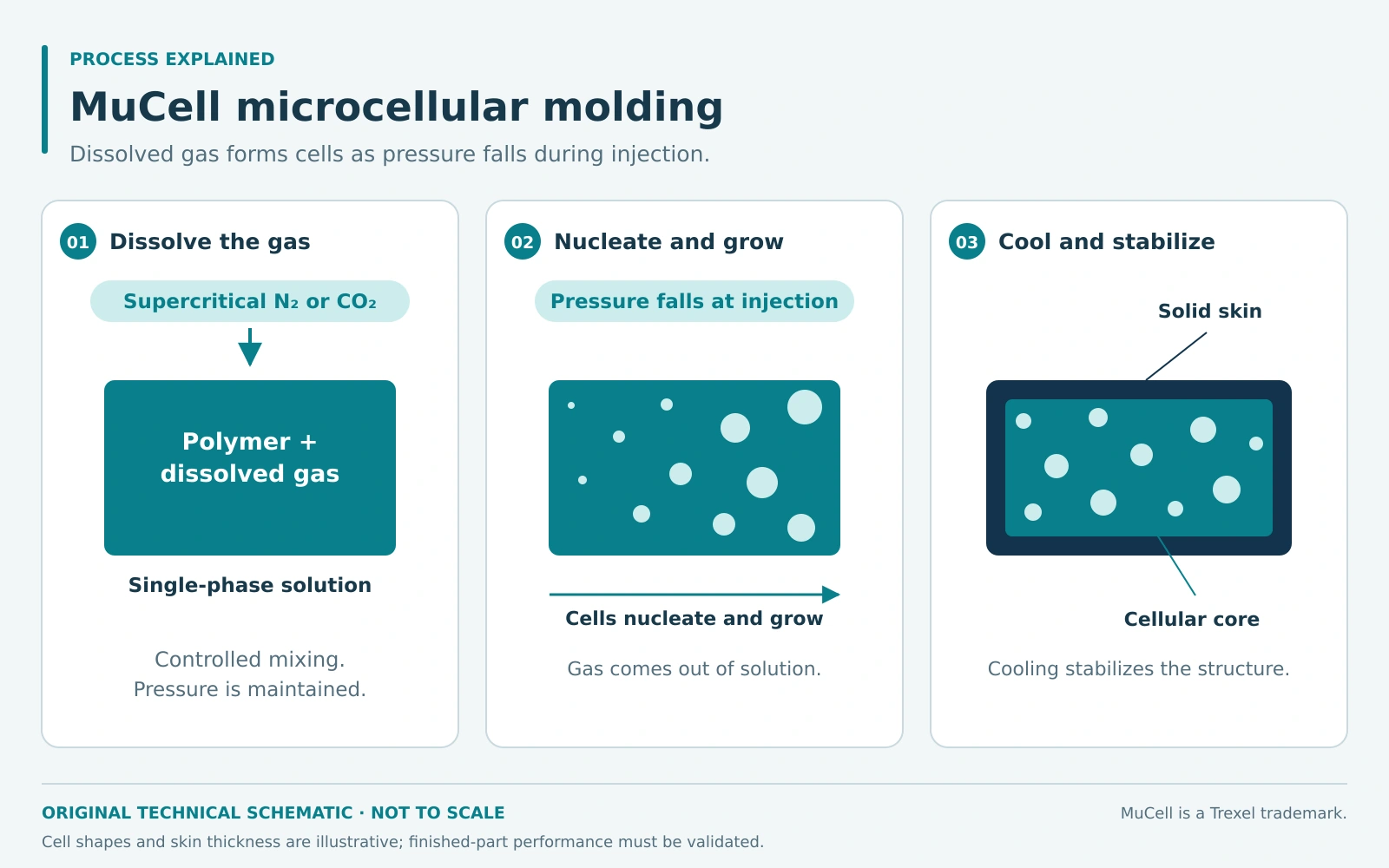
MuCell microcellular injection molding creates a cellular structure within a plastic part to reduce density and change the packing process. Learn how gas dosing and cell formation work, where lightweighting can help, and why mechanical properties, surface appearance, and cooling…
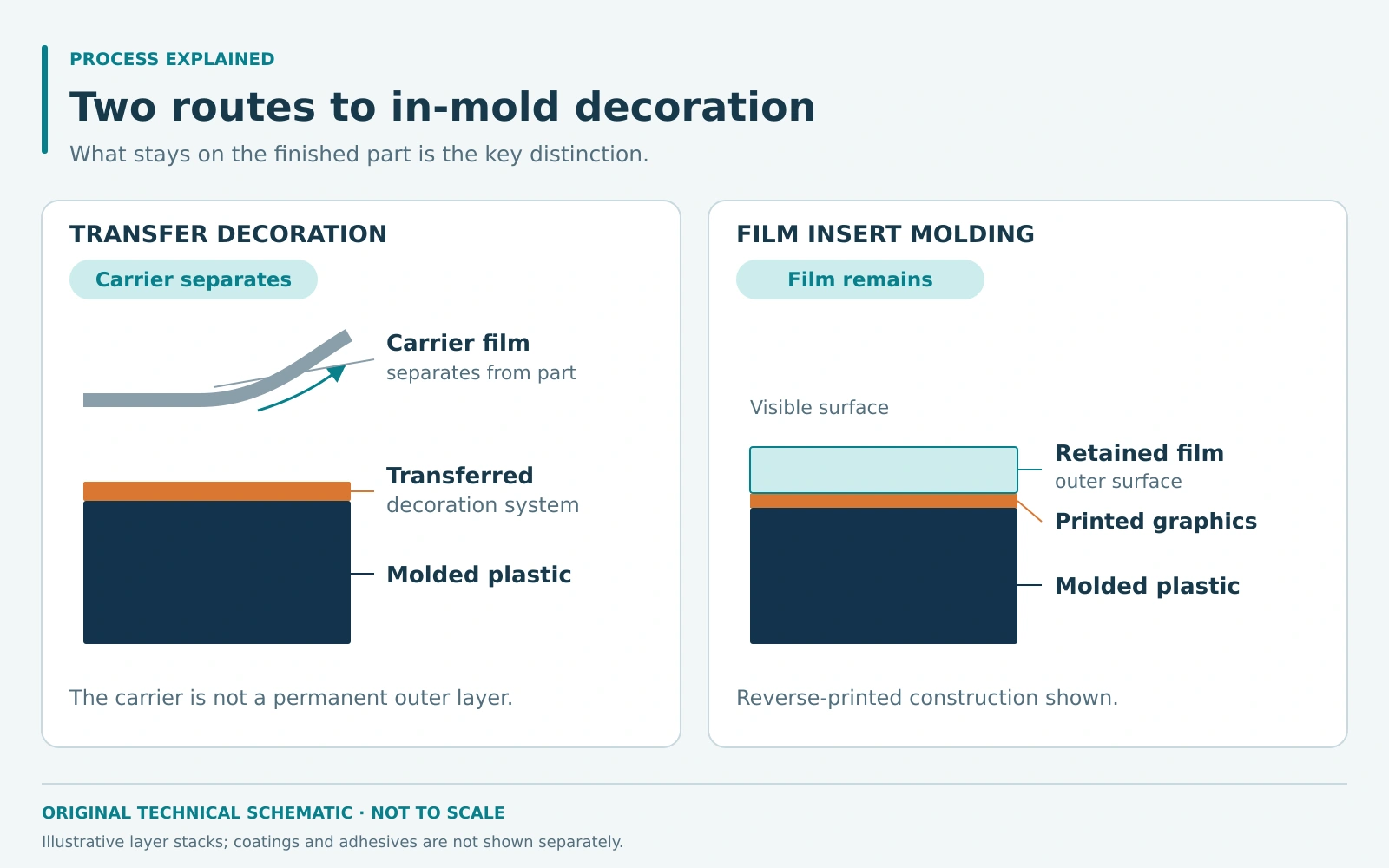
In-mold decoration combines plastic molding with graphics or surface finishes, but the film behaves differently across processes. This guide distinguishes transfer decoration from film insert molding and explains how layer construction, material compatibility, geometry, and surface durability influence the finished…
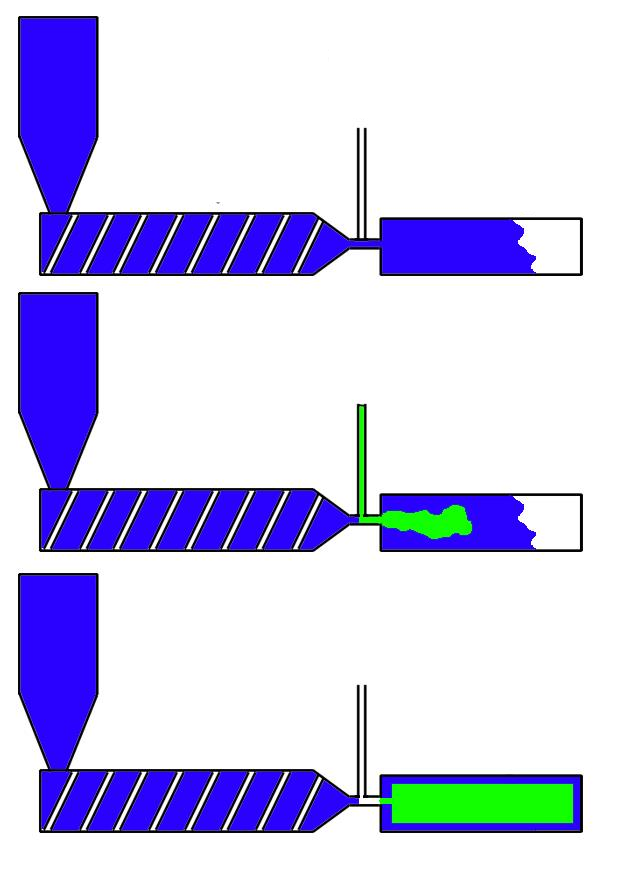
Gas assist injection molding uses pressurized nitrogen to form internal channels and help pack plastic parts during cooling. Explore how the process works, where material and appearance benefits are possible, and why gas penetration, remaining wall thickness, and structural performance…