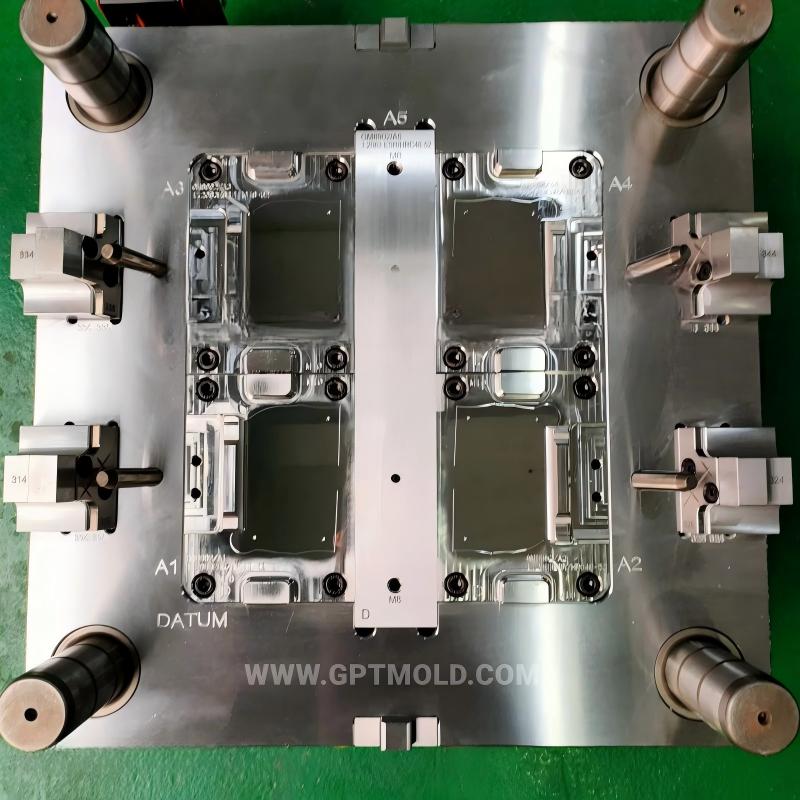
Production Injection Molds
Build a tooling plan around part geometry, material, expected mold life and production needs.
Learn More


Production injection molds and low-volume injection molding, with a practical route from your first prototype to repeat production.
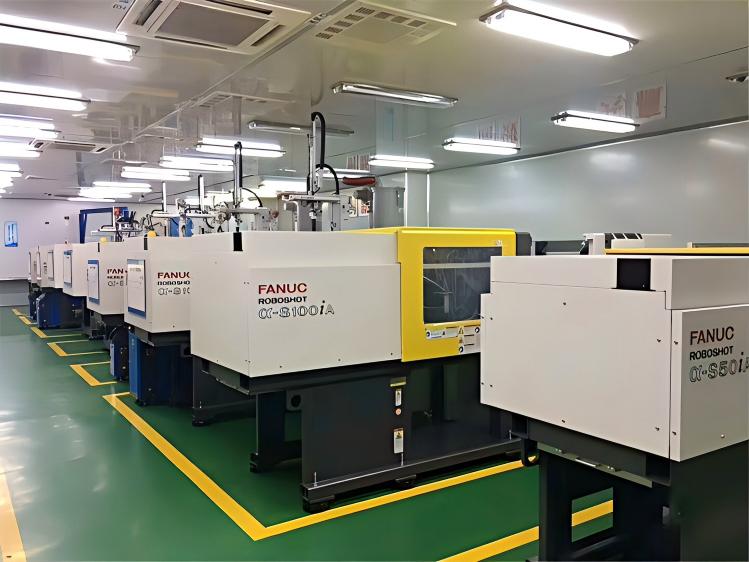 Injection molding · Production workshop
Match tooling, material and production volume to your project. Explore our core mold-making and injection molding services, with specialist support for clear and optical parts.
Get a QuoteBuild a tooling plan around part geometry, material, expected mold life and production needs.
Learn More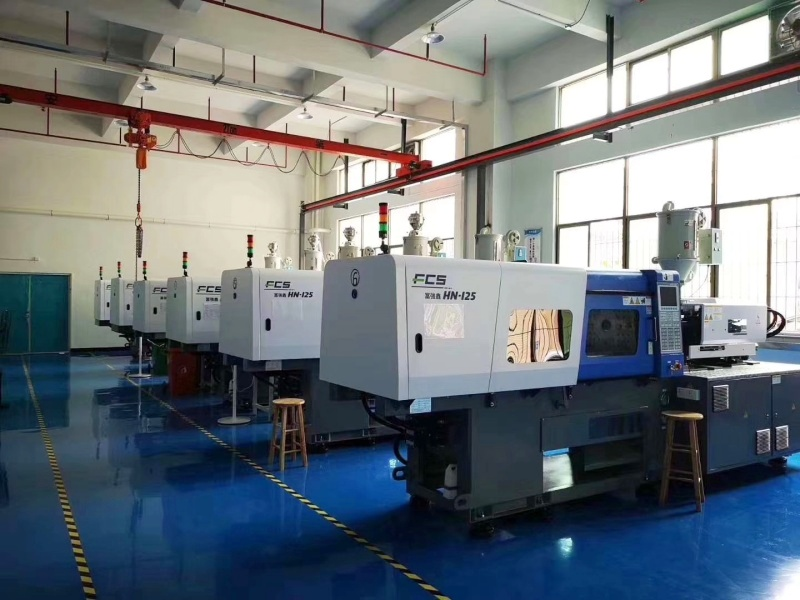
Plan smaller production runs and a flexible route forward as your product and demand develop.
Learn MoreDiscuss tooling for transparent parts, with attention to appearance and surface requirements.
Explore clear-part toolingReview optical geometry and finish requirements before selecting the tooling approach.
Explore optical moldsCheck form, fit and design intent before committing to production tooling.
Explore prototypingX-Molding focuses on cost-effective production molds, low-volume injection molding and flexible production. The starting point is your part: what it needs to do, how it should look and how many you need.
Bring those requirements together before choosing a process, so tooling and production decisions support the next stage of your project.
Learn about X-Molding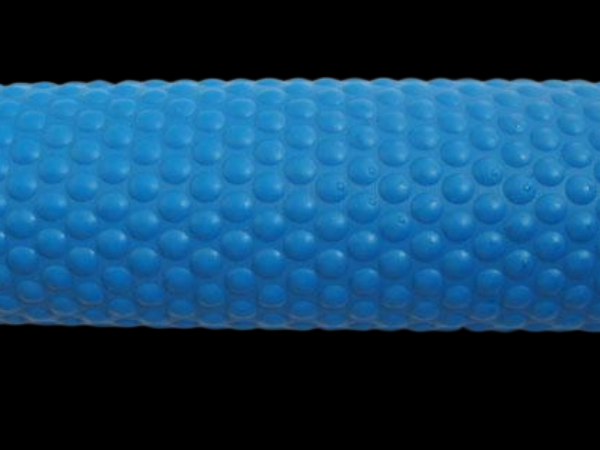
Custom silicone product development starts with the required hardness, function and operating environment. Tooling and sampling plans should address the selected molding process, flash control, part release and application-specific acceptance criteria.
Discuss your project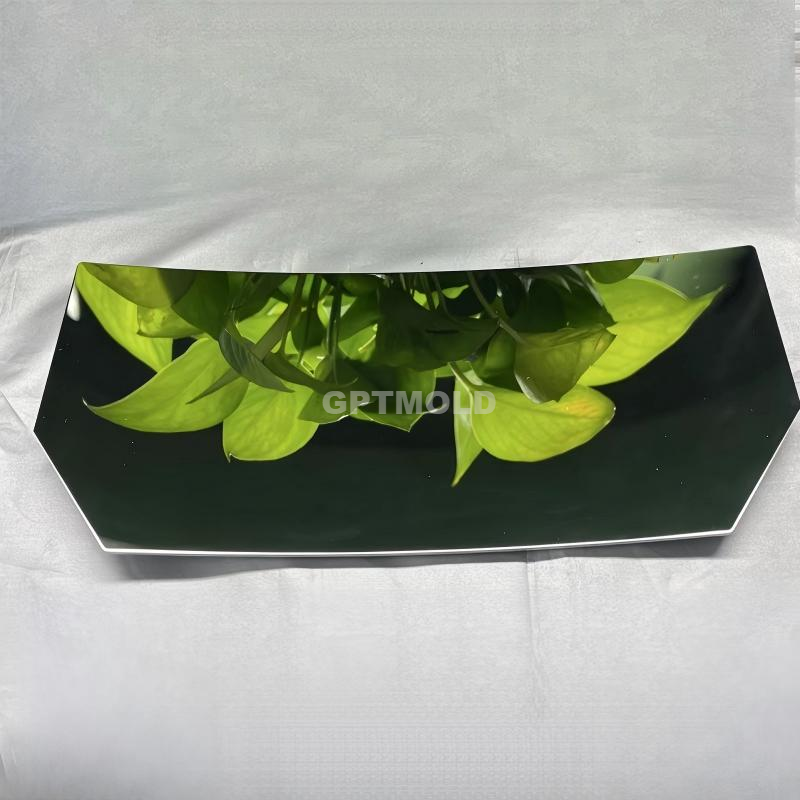
Freeform optical machining addresses optical surfaces beyond conventional rotational symmetry. Surface geometry, tool access and metrology requirements guide the development of optical components and mold inserts for application-specific light control.
Explore the service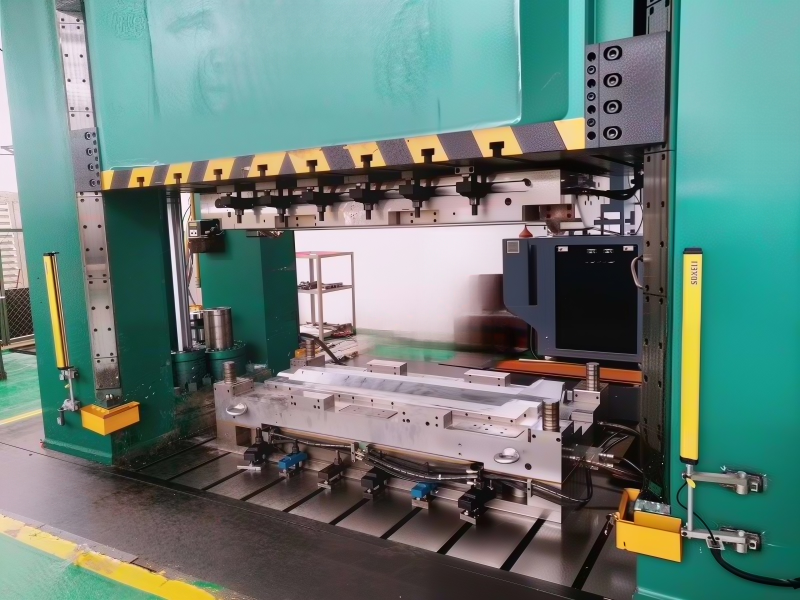
SMC mold tooling supports compression molding of fiber-reinforced sheet molding compound. Mold design brings together material flow, heating, venting and part release, with the tool layout matched to the intended press and component specification.
Discuss your project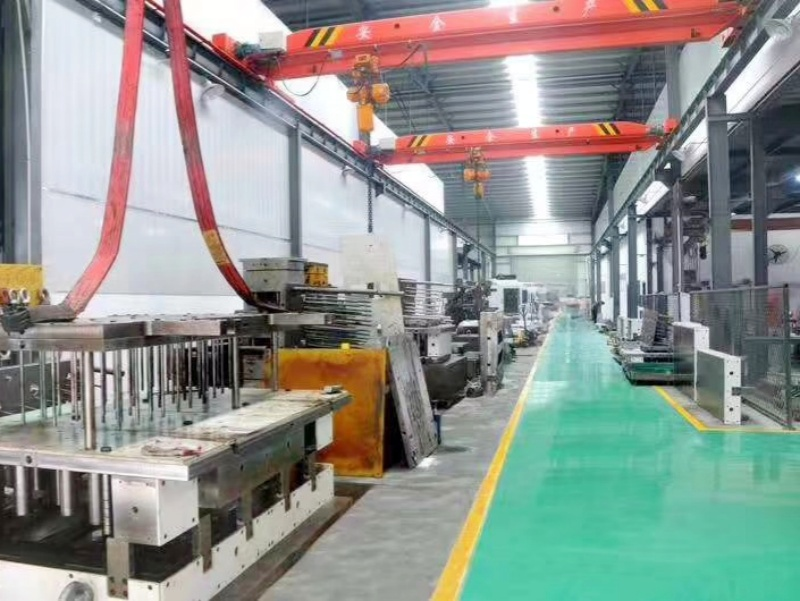
Custom compression molding connects material selection with part geometry and press requirements. A well-defined development scope covers mold design, charge placement, release and sample evaluation before production quantities and finishing requirements are confirmed.
Discuss your project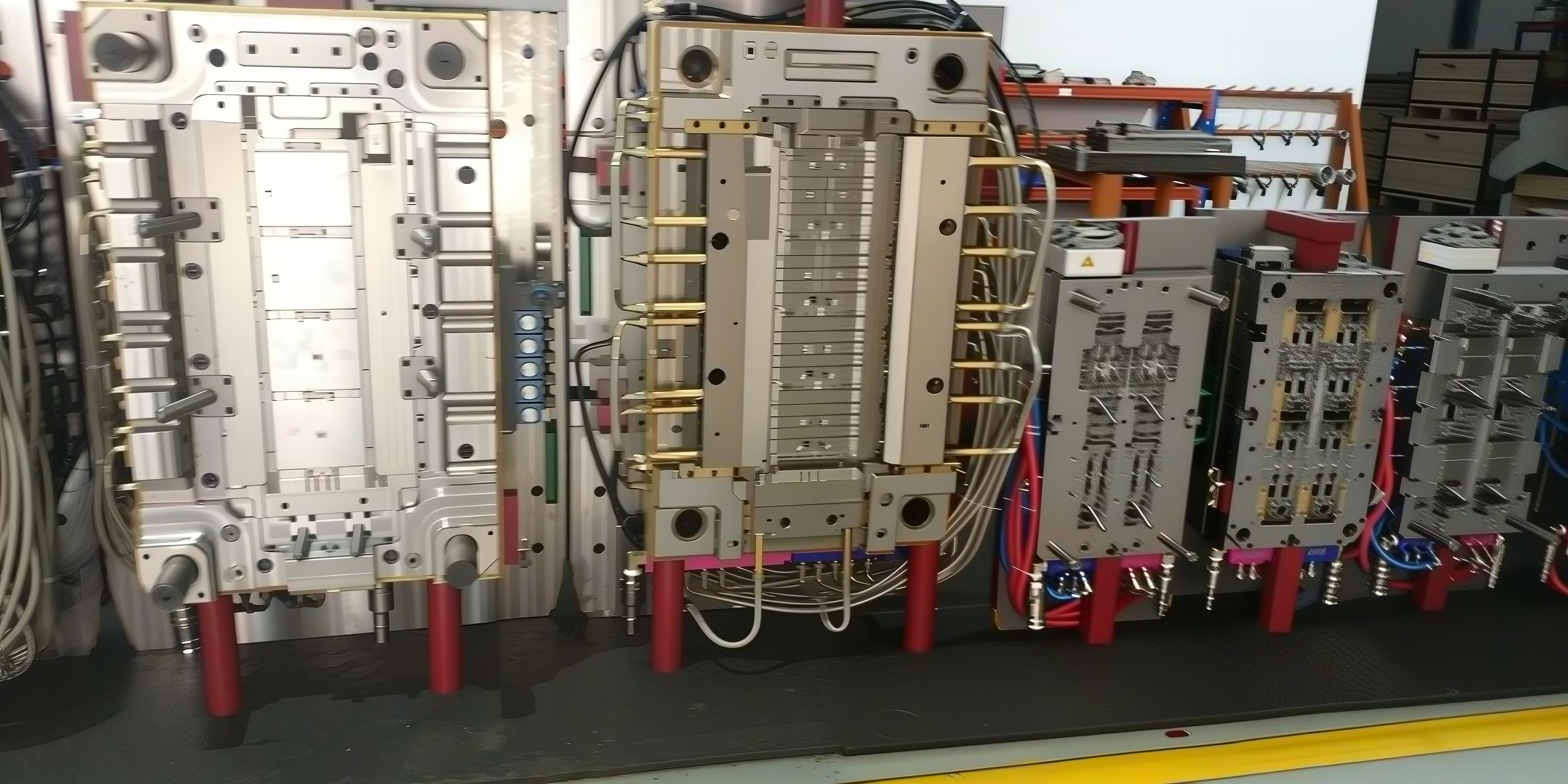
FRP and GRP molds support the manufacture of fiber-reinforced composite components. Tooling requirements depend on the resin, reinforcement and molding method, with surface finish, part release and downstream assembly considered during design review.
Discuss your project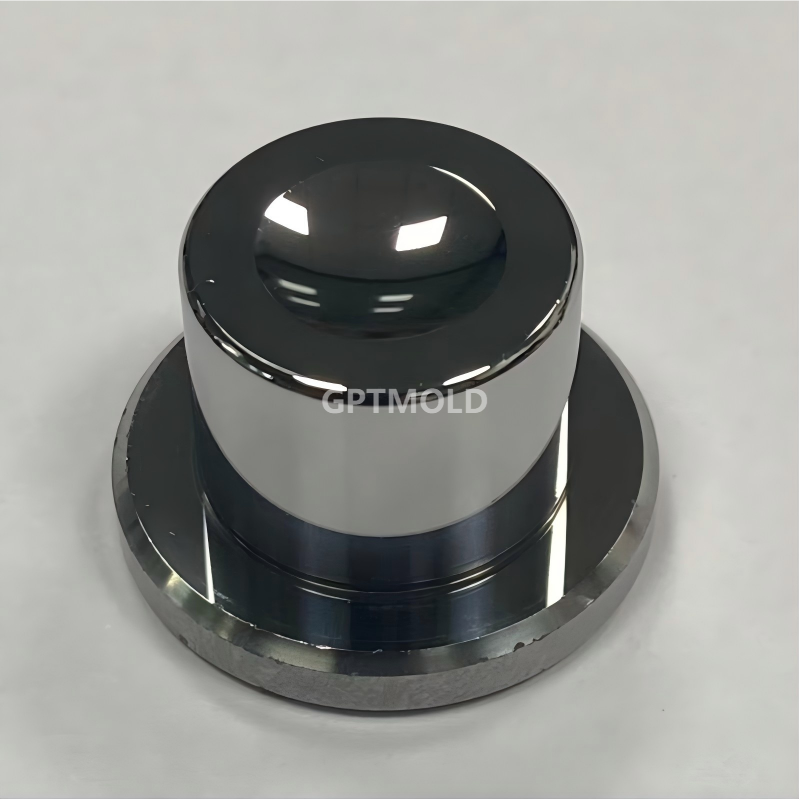
Diamond-turned inserts connect optical surface design with mold tooling. Insert material, surface form, finish and inspection requirements should be specified together, with mold integration and molded-part validation included in the development plan.
Explore the serviceConnect mold development, sampling and validation with the production and delivery requirements of your project.
Review drawings, material requirements, target quantities and the intended application. Identify critical features and manufacturing considerations, then define the proposed scope, quotation and project priorities.
Develop the tooling concept around the agreed part specification. Define cavity layout, surface requirements and equipment interfaces, then plan mold construction and the design approvals needed along the way.
Evaluate samples against agreed dimensional, cosmetic and functional criteria. Document any required adjustments and confirm approval conditions before releasing the project to its next stage.
Coordinate the agreed production quantity, inspection scope, packaging and shipping arrangements. For mold-only projects, define tool acceptance, handover documentation and delivery requirements as part of the project scope.
Useful starting points for a mold-making or injection molding enquiry.
Visit our FAQShare your part model or drawing, material preference, quantity and target timing. Include critical dimensions, surface finishes and functional requirements where available.
Low-volume injection molding is one of our core services. Send the planned quantity and part requirements so the tooling and production route can be discussed for your project.
Yes. We offer clear and transparent mold services and optical mold services. Specify the part’s visual or optical requirements so they can be reviewed with its geometry and material.
Our prototyping and 3D printing service provides an earlier step before production tooling. Share the current design and what you need to evaluate.
Tell us about your part, target quantity and timing. Start the conversation with X-Molding.