Six cost drivers worth reviewing
01 / COST DRIVERResin and material usage
Specify the resin grade, color and permitted alternatives. Compare consumption, not only finished-part weight: runners, purging and production losses may also matter. State any restrictions on regrind or recycled content. Material selection must satisfy the application; a lower resin purchase price alone does not establish a lower cost for an acceptable part.
02 / COST DRIVERTooling strategy and production quantity
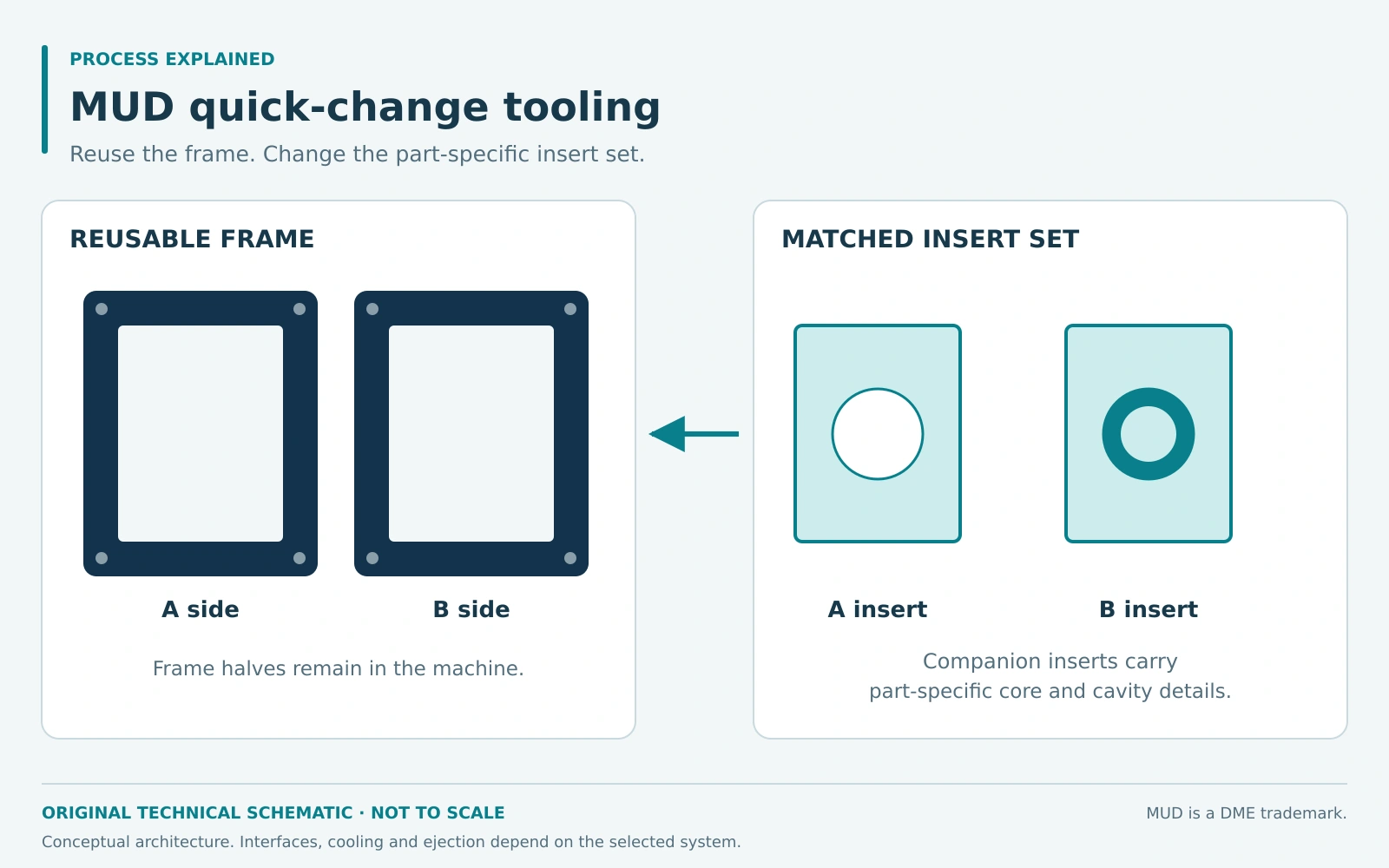
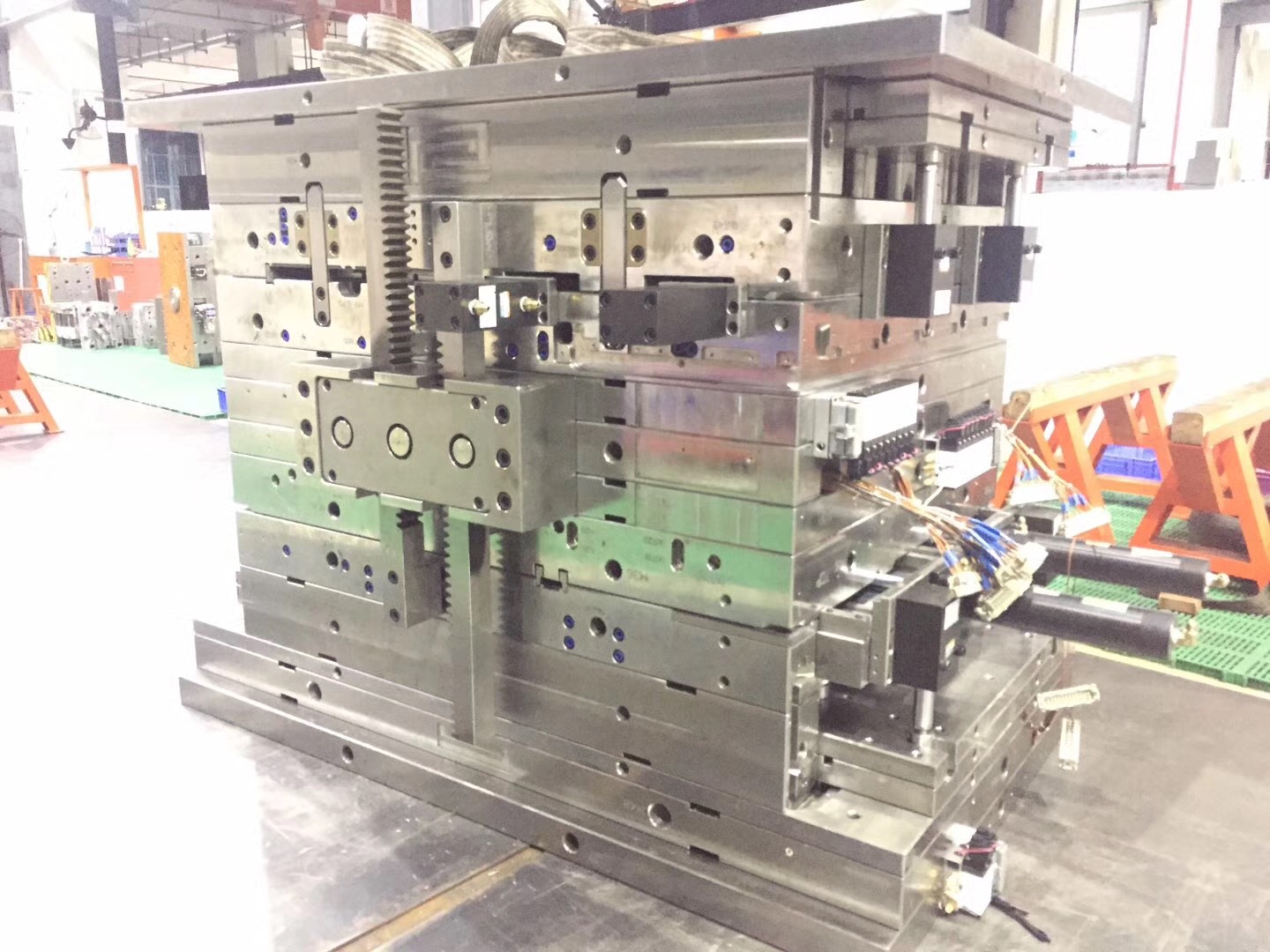
Compare the planned order size, annual demand and expected program life. Cavity count and mold construction should fit that demand. A modular insert system can reuse a compatible frame, but its suitability and ownership arrangements need confirmation. Ask what is included, who owns each tooling element and what happens if production moves.
03 / COST DRIVERMachine time and equipment allocation
Cycle time and acceptable parts produced per cycle influence capacity consumption. Filling, cooling, mold movement and part removal all belong in the discussion. Press selection must suit the mold and process. A supplier's machine rate may already include equipment depreciation and maintenance, so adding separate allowances can double-count costs.
04 / COST DRIVERUtilities and supporting equipment
Energy use extends beyond the molding press. Temperature control, cooling and other peripheral equipment contribute to the production system. Their requirements depend on the resin, tool and operating conditions. Treat a generic electricity allowance cautiously, and ask whether utilities are included in the quoted conversion price.
05 / COST DRIVERLabor and secondary operations
Insert loading, part handling, trimming, inspection, decoration and assembly can change the labor content. Clarify whether these steps are manual, automated or outside the quoted scope. Automation may add upfront equipment or fixture expense; assess it against the actual production plan rather than assuming it always reduces project cost.
06 / COST DRIVERQuality requirements and overhead
Define the features that determine acceptance, the inspection method and the required records. Distinguish routine production checks from additional qualification or reporting. Ask where setup, supervision, factory overhead and commercial margin sit in the quotation. Cost categories explain the manufacturing economics; they do not prescribe a supplier's pricing policy.
Build a transparent cost comparison
Use one consistent framework:
- One-time costs: tooling, dedicated fixtures and separately quoted development or qualification work
- Recurring costs: the quoted price for accepted parts at the agreed order quantity, plus separately listed recurring operations
- Delivery and other charges: packaging, transport and applicable charges that are outside the production price
Compare the same quantity, revision, specification and delivery basis. Record assumptions and exclusions beside each figure. Review alternative demand scenarios if the forecast is uncertain. Include each charge once, and distinguish cash due at launch from the allocation used in your internal business case.
This is a planning framework, not an automated price estimate. The project-specific quotation and agreed terms govern price, scope and delivery.
Your RFQ checklist
Send a consistent package to every supplier:
- Current 3D CAD and a revision-controlled drawing, with units, critical dimensions and tolerances
- Resin grade, color, approved substitutions and any material-use restrictions
- Sample quantity, order quantity, annual forecast and expected program duration
- Surface finish, cosmetic zones, gate and ejector-mark restrictions, where relevant
- Inserts, purchased components, decoration, assembly and other secondary operations
- Inspection, testing, traceability and documentation requirements
- Tool ownership expectations, maintenance responsibilities and potential transfer requirements
- Required sample and production dates, delivery destination, packaging and requested delivery basis
Identify requirements that are fixed and options that may be proposed. If a detail is undecided, label it clearly and request the supplier's assumption rather than leaving a silent gap.
Compare quotes on the same basis
Resolve differences before ranking totals. A quote that excludes testing, uses a different resin or assumes a larger order is a different offer.
Bring the details together.
Share your part requirements and the decisions you want to review.