

Start with the optical function
Optische Formen
An optical tooling inquiry begins with what the finished component must do with light. Share the optical design, critical surfaces and acceptance criteria so the requested tooling scope can be reviewed against the complete part requirement.
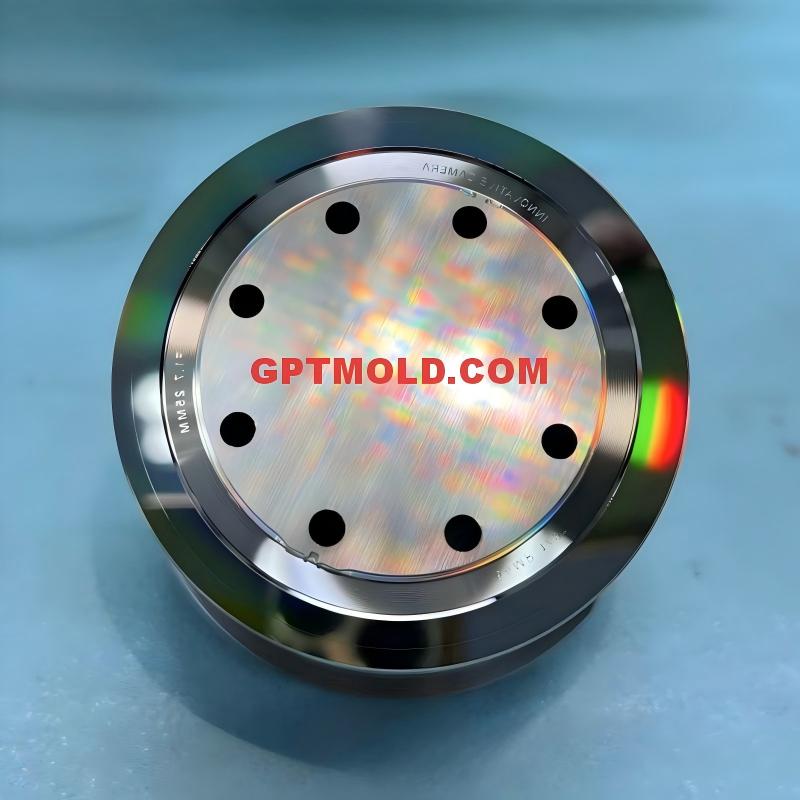
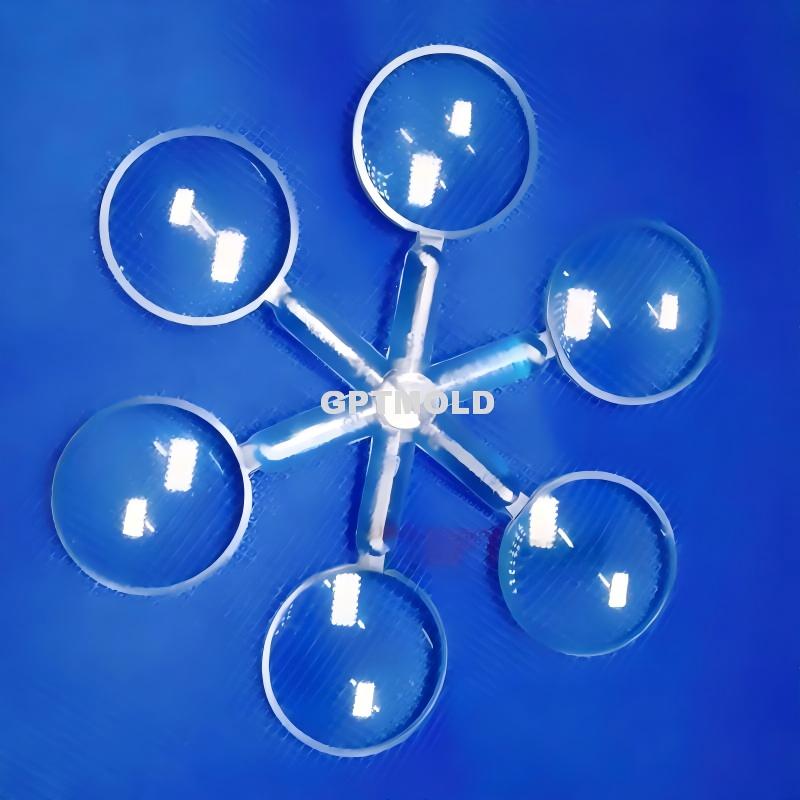
Connect optical requirements to the tooling brief
Function and geometry
Describe the intended optical function. Supply surface definitions, reference features and mounting interfaces needed to interpret the design.
Material and tooling scope
Name the required polymer and identify whether the inquiry covers a complete mold, a tooling component or molded parts.
Evaluation and evidence
Specify what must be measured, the test conditions and who will evaluate it. Confirm inspection responsibilities for the project.
How to start
- 1. Specify
Provide current design data and optical requirements.
- 2. Review
Identify critical surfaces and confirm the requested scope.
- 3. Agree
Set evaluation responsibilities and the acceptance evidence needed.
Frequently asked questions
Is a transparent cover an optical component?
A transparent cover may be specified mainly for appearance and visibility. Where the part must also control light or meet a defined optical performance requirement, include that specification in the inquiry. For appearance-led transparent parts, see Clear & Transparente Formen.
What information is needed for an optical mold inquiry?
Start with the current drawing or model, optical function, critical surfaces, material requirement and intended quantity. Include the acceptance criteria and measurement approach. Identify missing information rather than leaving it to be assumed.
Does the inquiry include optical testing or molded parts?
Specify each item you need. Werkzeugbau, sample production and inspection responsibilities must be confirmed in the project scope; they should not be inferred from a service-page title.
Related case studies
Case studies will be added here as project details become available for publication.
Tell us about your project
Start with the information you have and identify any requirements still open for review.
- Model, drawing and optical-specification revisions
- Critical surfaces and required material
- Quantity and tooling scope
- Measurement criteria and target schedule