sales01@gptmold.com
EnglishFrançaisDeutschРусскийEspañol

Études de cas

From tooling challenges to molded parts.

Molding & Optical Tooling Applications

Silicone ProductsOutillage & Produits

Silicone Products: Material Selection and Custom Mold Development

Silicone products serve applications such as seals, gaskets and flexible consumer components, with material selection guided by hardness, operating conditions and functional requirements. Mold development must account for the selected silicone process, parting lines, flash control and demolding. A suitable project scope can include part design review, tooling development and sample evaluation against the intended application.
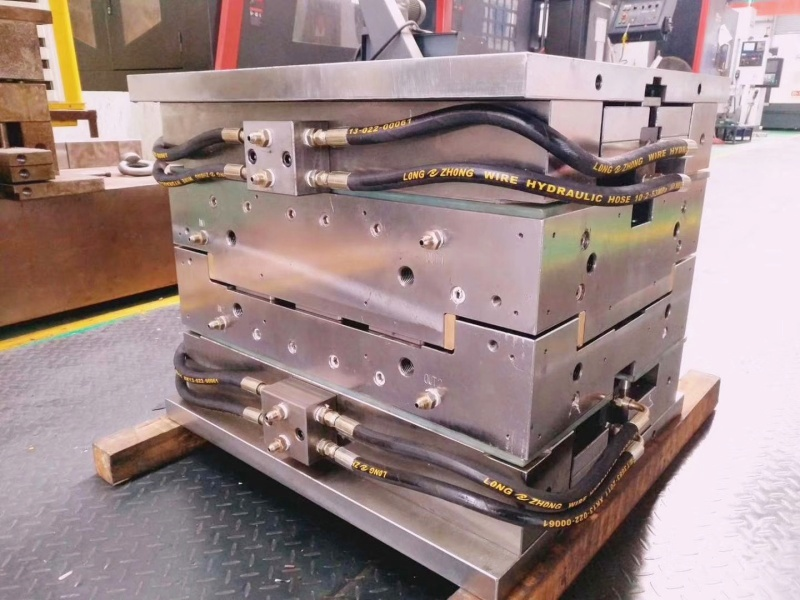
Smart Phone CasesOutillage & Produits

Smartphone Cases: Injection Mold Design for Consumer Electronics

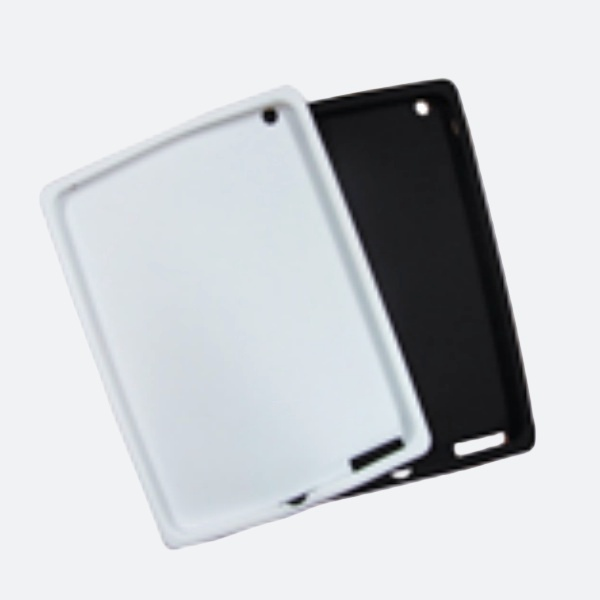
Smartphone cases combine device protection, everyday handling and product appearance in a compact consumer component. Injection mold design must address device fit, wall thickness, button and connector access, material shrinkage and cosmetic surface requirements. Development can progress from enclosure design review and prototype fit checks to production tooling, with cavity count and finish specifications matched to the planned product volume.

SMC Mold Design and ManufacturingOutillage & Produits

SMC Mold Design and Manufacturing for Composite Components

SMC mold design and manufacturing supports compression molding of sheet molding compound for composite housings, panels and other engineered components. Tool development considers material flow, heating, venting, part release and compatibility with the intended press. Defining the compound, part geometry and finishing requirements together provides a practical basis for mold construction, sampling and production planning.

Diamond Turned InsertsOutillage & Produits

Diamond-Turned Inserts for Optical Mold Applications

Diamond-turned inserts provide an approach to producing optical mold surfaces for lenses and other light-control components. The optical prescription, insert material, surface form and finish requirements guide process selection and the inspection plan. Optical tooling development can cover insert geometry, mold integration and sample evaluation, connecting the component design with the requirements of the molding process.

Fresnel Lens InsertOutillage & Produits

Fresnel Lens Inserts for Light Collection Applications

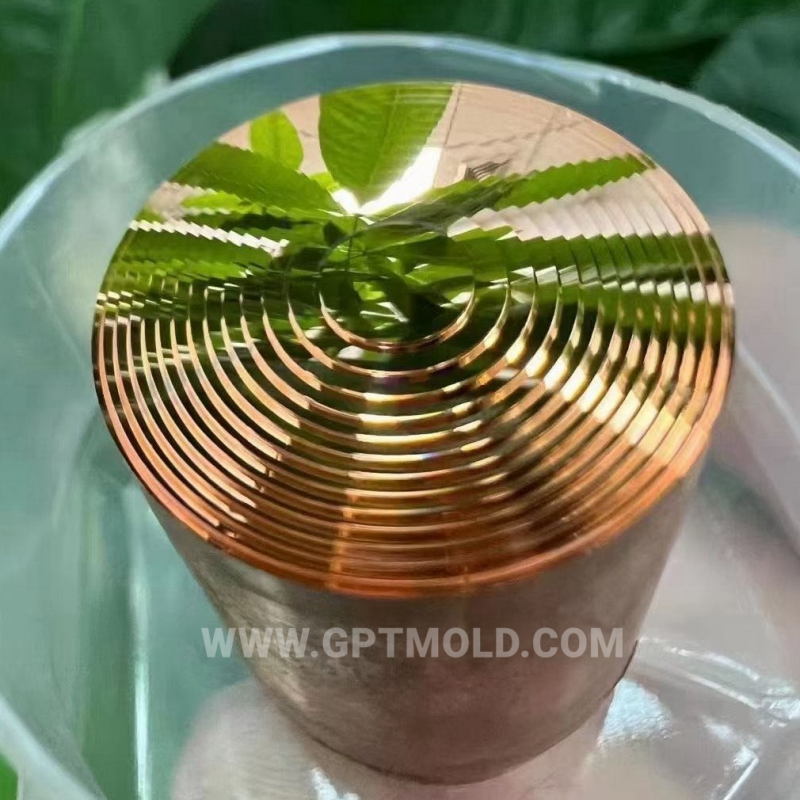
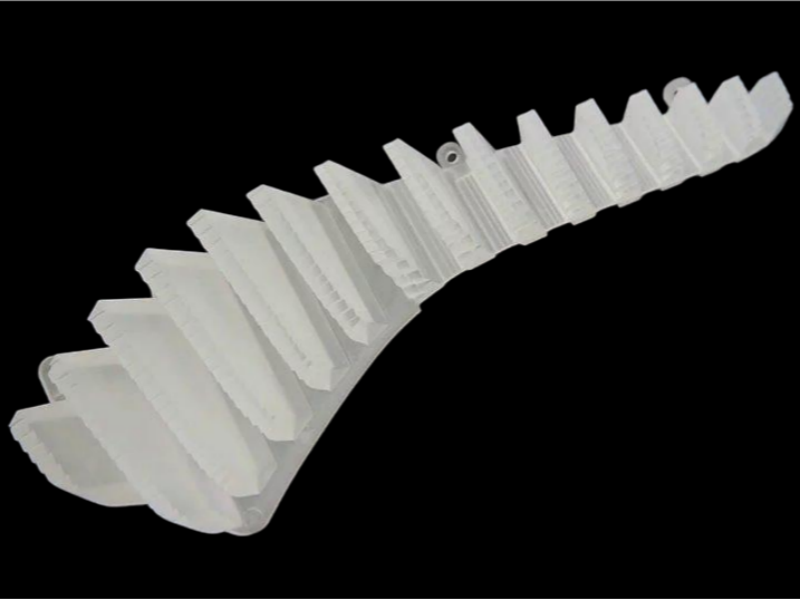
Fresnel lens inserts define the groove geometry used to mold lightweight lenses for light collection, condenser systems and emitter or detector assemblies. Tooling specifications should connect the optical prescription with groove detail, polymer selection and inspection requirements. Development priorities include reproducing the optical profile, integrating the insert into the mold and establishing sample acceptance criteria for the intended application.

Injection Molding Optical Mold — Polished CavityOutillage & Produits

Optical Injection Molds: Surface Quality and Lens Geometry

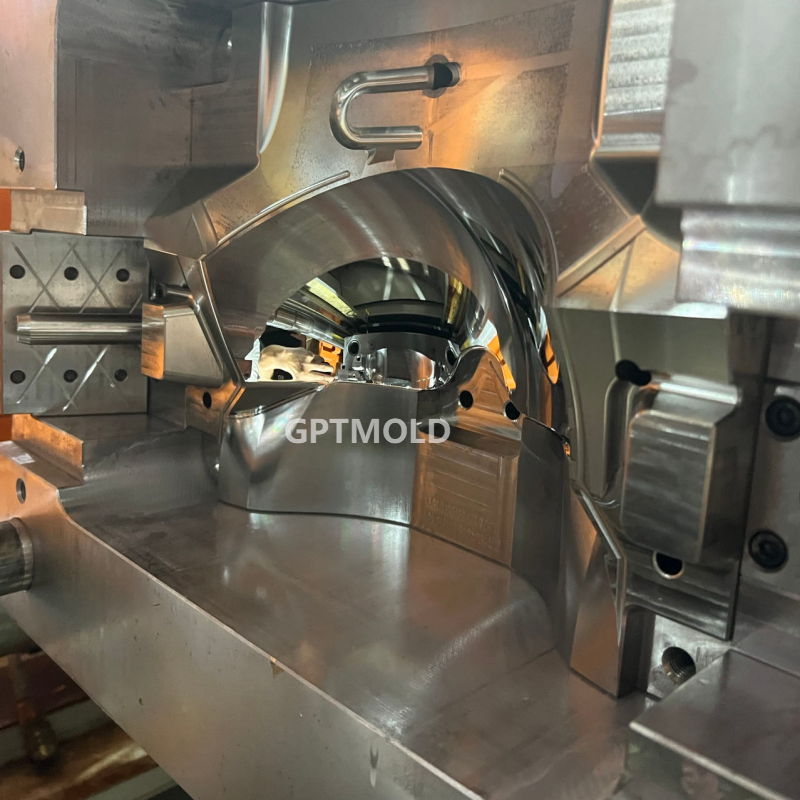
Optical injection molds translate lens and light-guide designs into tooling for polymer optical components. Surface form, cavity finish, material behavior and gate placement require coordinated review because appearance alone does not establish optical performance. The development scope can bring together cavity design, tooling construction and molded sample evaluation, using dimensional and optical criteria defined for the application.

Injection Molding Optical Mold — Multi-Cavity ToolingOutillage & Produits

Optical Injection Molds: Multi-Cavity Tooling Development

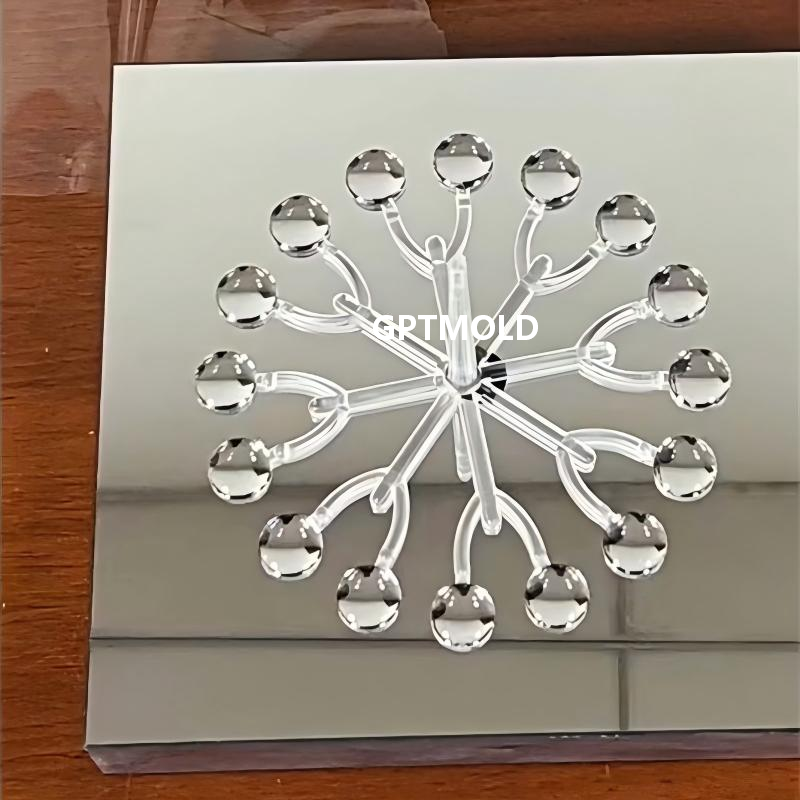
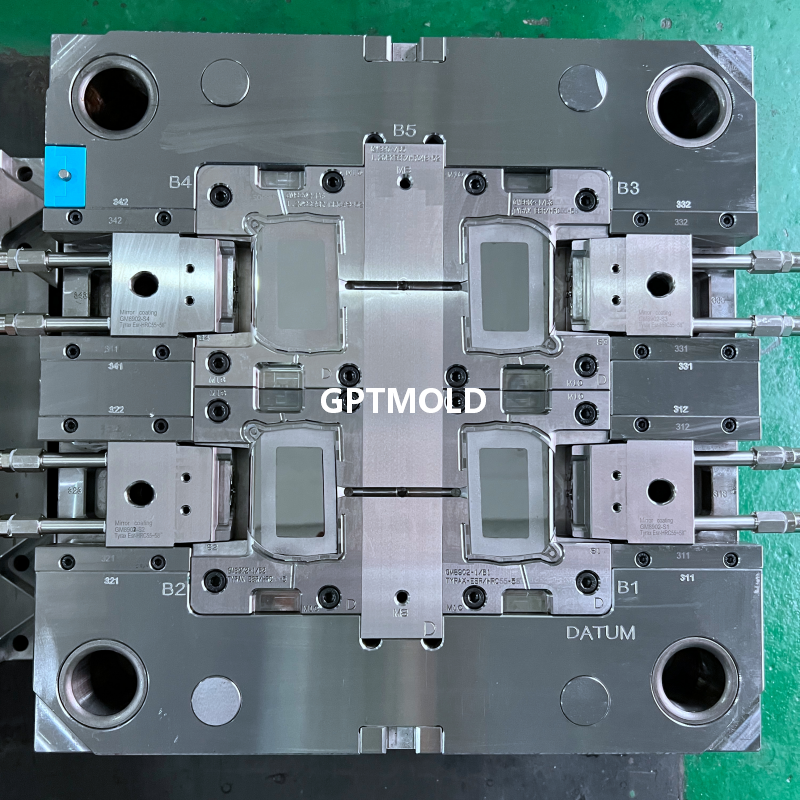
Multi-cavity optical injection molds bring several molding stations into one tool to support a defined production requirement. Cavity arrangement, filling balance, thermal control and ejection must be considered alongside the optical surfaces and the selected polymer. Planning should connect cavity-level inspection and sample approval with the intended output, balancing tooling complexity against the production volume and quality requirements.

Coated Optical LensOutillage & Produits

Coated Optical Lenses: Substrate and Surface Requirements

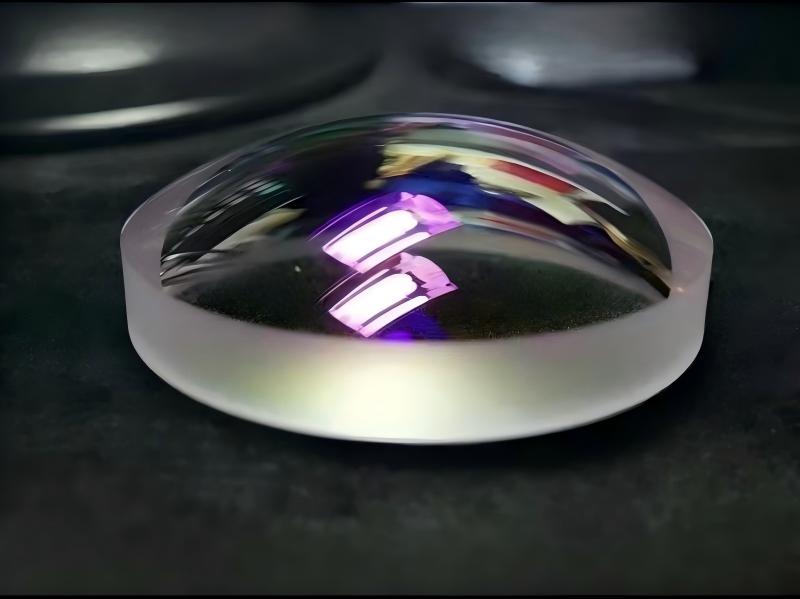
Coated optical lenses use surface treatments to manage transmission, reflection or other application-specific optical requirements. Lens development should align the substrate, surface quality and geometry with the specified coating and operating conditions. For molded lens projects, the technical scope should distinguish mold and part production from coating work, with interfaces and acceptance criteria agreed before manufacturing begins.

Custom Compression MoldingOutillage & Produits

Custom Compression Molding: Tooling for Application-Specific Parts

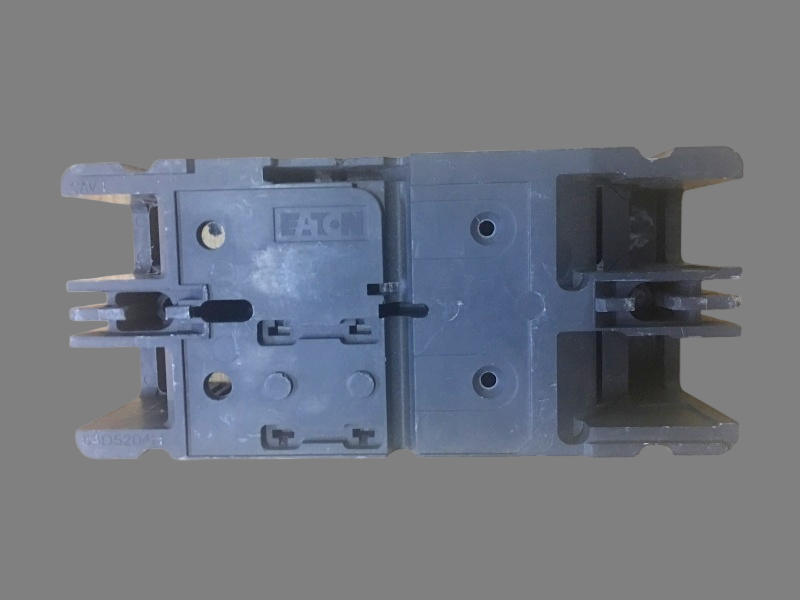
Custom compression molding forms components by pressing a prepared material charge within a mold, with the tooling and process selected for the compound and application. Design review should address material flow, parting lines, venting, release and any secondary finishing. Project planning brings the part specification, press requirements and sample validation together before the production route and tooling scope are finalized.

Have a similar project in mind?

Explore the relevant service or share your part requirements for discussion.