


Smaller batches, clearly defined
Moldeo por Inyección de Bajo Volumen
Plan a smaller molded-part order around the quantity you need now and the repeat demand you expect. Consider tooling investment, material, appearance and acceptance requirements together when discussing a cost-effective approach.
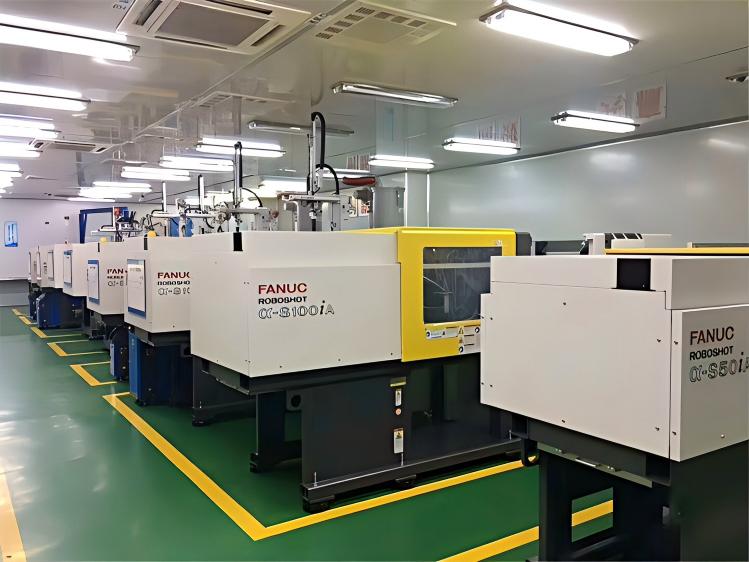

Keep the batch scope practical
Quantity and repeat orders
State the first-order quantity and the likely ordering pattern. Identify uncertainty in future demand.
Total order cost
Review tooling investment separately from part price. Clarify sampling, inspection, packaging and delivery where needed.
Batch acceptance
Define critical dimensions, visible surfaces and required assembly checks. Include any sample approval needed before production.
How to start
- 1. Brief
Send the current design, material and desired batch quantity.
- 2. Review
Confirm the requested tooling, parts and inspection scope.
- 3. Plan
Agree approval points and how repeat orders or revisions will be handled.
Frequently asked questions
What is the minimum order quantity?
Send the desired quantity with the part and material requirements. A project-specific response is more useful than a universal minimum that ignores tooling and production setup.
Can I use my required production material for a small run?
Name the required resin and grade in the inquiry. Material availability and suitability must be reviewed for the project; a small quantity alone does not establish which material or process will be appropriate.
Can the project grow into larger orders?
State that possibility at the start. The initial tooling decision should take anticipated repeat demand into account, while recognizing that later changes may need another review.
Related case studies
Case studies will be added here as project details become available for publication.
Tell us about your project
Start with the information you have and identify any requirements still open for review.
- Design revision and material
- Initial quantity and repeat forecast
- Appearance and inspection criteria
- Packaging and target delivery needs